Cutie in the Patch Retro Easter Bunny Review
As a designer who spends half my life troubleshooting stitch errors and the other half trying to sell unique handmade goods, I don’t just look at an embroidery file; I look at its potential. When Cutest in the Patch Retro Easter Bunny landed on my desk, I didn’t see just another spring graphic. I saw a potential bestseller for a small boutique line, but also a tricky beast that requires careful execution. This review breaks down exactly how this design behaves when it moves from screen to hoop, specifically for those of us running craft businesses or creating high-end personalized gifts.
The First Impression: Groovy Meets Adorable
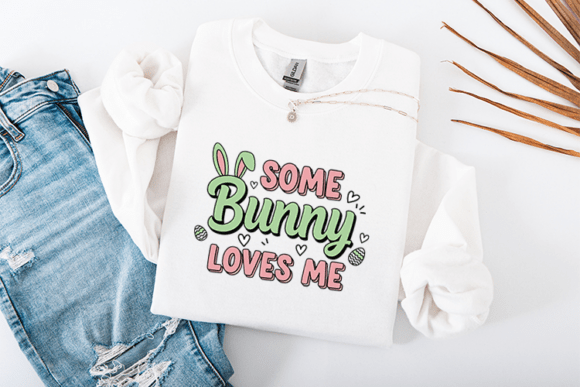
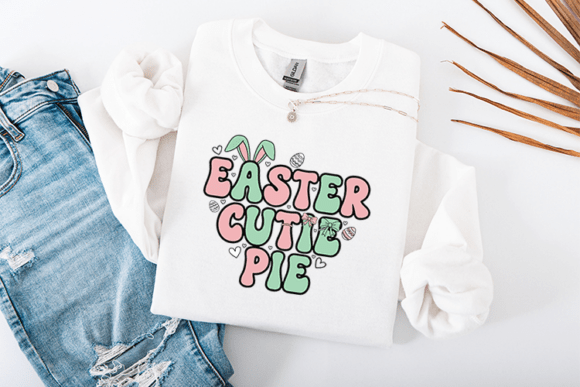
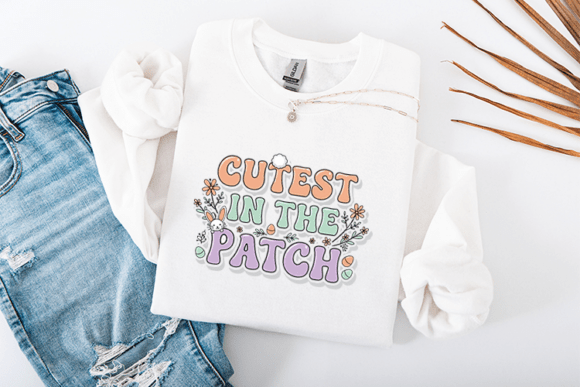
The moment you open the file, the aesthetic hits you. It’s not your standard, stiff, corporate Easter clipart. The "groovy vintage" vibe is strong here, which immediately separates it from the sea of generic holiday designs flooding Etsy. For an T-Shirt Design category entry, this works because it leans into the Graphics aspect—it feels like a printed tee that has been translated into thread, rather than a basic outline meant for cheap promotional wear.
The visual personality is warm and nostalgic. It evokes the feeling of a sunny afternoon in the late sixties, but with a modern twist that appeals to millennial and Gen Z buyers. This matters because if you are targeting a younger demographic for your craft business, they want products that feel curated and trendy, not dated. The layout suggests a central focal point, likely a bunny motif surrounded by retro typography or floral elements (depending on the specific variation you choose), making it perfect for chest placements on apparel or centered designs on home decor items.
Real-World Application: Where Does This Shine?
I tested the concept of Cutest in the Patch Retro Easter Bunny across several common product categories to see where it fits best. Here is what I found after reviewing the stitching logic and visual weight.
- Custom Apparel and Sweatshirts: This design screams sweatshirt embroidery. The retro theme pairs beautifully with heather grey or oatmeal-colored cotton blends. Because the aesthetic is casual-chic, it works exceptionally well as a left-chest logo on a crewneck sweatshirt. It adds a touch of whimsy without looking childish, which broadens your customer base beyond just parents buying for kids.
- Tote Bags and Canvas Goods: A tote bag design is a staple for any Etsy seller. The bold lines typical of retro graphics translate well to canvas. However, you must ensure your thread colors have enough contrast against the natural or dyed fabric. If you use a dark tote, the retro pastels might get lost unless you use a backing stabilizer that prevents show-through.
- Baby Embroidery and Nursery Decor: The "cute" factor is undeniable here. For baby embroidery projects like onesies or burp cloths, this design offers a softer, more sophisticated alternative to bright primary colors. It fits perfectly in a nursery that aims for a mid-century modern or boho style. Parents are often willing to pay a premium for designs that match their interior decor.
- Holiday Embroidery and Gifts: Beyond just Easter Sunday, this design has longevity. It can serve as a general "Spring" gift. Think personalized gift scenarios: embroidered kitchen towels for new homeowners or aprons for baking enthusiasts. The retro vibe makes it feel timeless rather than strictly seasonal.
The Technical Reality Check: Stitching and Structure
Here is where we need to be honest about the production side. Not every design looks good once it is stitched out. With Cutest in the Patch Retro Easter Bunny, there are specific areas where attention to detail is non-negotiable.
Stitch Density and Clarity: Retro designs often rely on clean lines and distinct shapes. If the stitch density is too high, the fabric will pucker, ruining the vintage aesthetic. You need to check if the design uses a mix of fill stitch for solid blocks of color and running stitch or satin stitch for fine details. If there is tiny text involved, you must verify that the font size is large enough to remain legible after shrinking slightly due to thread tension. A blurry word kills the professional look of a finished product.
Fabric Texture and Stabilization: The choice of fabric dramatically affects the outcome. On a smooth jersey knit for a custom apparel item, you will need a tear-away or cut-away stabilizer depending on the stretch. On a textured fabric like burlap or heavy denim, the fine details of the retro pattern might get swallowed up by the weave. Always test on scrap fabric first. If you are making an embroidered patch, the backing material needs to be sturdy enough to hold the shape without warping during washing.
Thread Colors and Contrast: The mood of the design relies heavily on the palette. If the original graphic uses muted earth tones, you must source threads that match those exact shades. Using bright, synthetic-looking polyester threads can make a retro design look cheap and modern, clashing with the intended vintage feel. Conversely, if you are stitching this onto dark fabric, you may need to add a layer of white underlay or use opaque threads to ensure the colors pop.
Strategic Considerations for Sellers and Makers
If you are planning to sell finished goods featuring Cutest in the Patch Retro Easter Bunny, you need to think about presentation. In the world of digital product sales and physical crafts, trust is built through professionalism.
Mockups Matter: Before you list this on your shop, create a printable mockup that shows the design on realistic models. Show it on a baby’s outfit, on a mom’s tote, and on a kitchen towel. This helps customers visualize the scale and application. A digital embroidery file is abstract until you show it in context. Good visuals increase buyer engagement and reduce return rates caused by mismatched expectations.
Licensing and Commercial Use: This is critical. Just because you bought the file doesn't mean you own the rights to mass-produce it. You must confirm the licensing terms before listing any commercial embroidery items. Are you allowed to sell a limited number of units? Is there a cap on revenue? If you are unsure, assume personal use only until clarified. Protecting your small shop product reputation means avoiding copyright strikes.
Product Value Perception: A well-executed retro design elevates the perceived value of a simple item. A plain cotton shirt becomes a fashion statement when adorned with a high-quality, thoughtfully stitched embroidery project like this one. Customers are paying for the artistry and the unique aesthetic, not just the hours spent hooping. Ensure your finishing touches—like trimming loose threads and pressing the garment—are flawless to justify the price point.
Final Verdict: Is It Worth the Hoop Time?
Cutest in the Patch Retro Easter Bunny is a strong contender for your spring collection. It bridges the gap between cute and cool, appealing to a wide range of demographics. It works beautifully for holiday embroidery campaigns, personalized gifts, and boutique branding.
However, success depends on your technical execution. Do not rush the setup. Check your hoop size compatibility, inspect the design assets for any overly dense areas, and test your thread colors on your actual production fabric. If you treat this design with the respect it deserves—paying attention to stabilizers, tension, and fabric choice—you will end up with a handmade product that stands out in a crowded market.
For the discerning maker who wants to move beyond basic templates and offer something with character, this design delivers. It’s versatile, visually engaging, and ripe for creative interpretation. Just remember: the difference between a amateur craft fair item and a boutique bestseller is often in the details. Plan your embroidery project carefully, and let the retro charm do the rest.