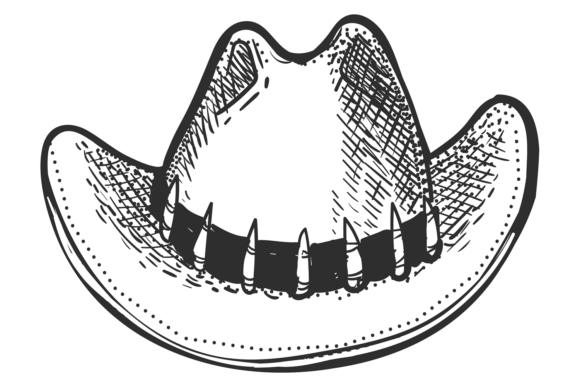
Fedora Hat Embroidery Design: A Retro Statement for Modern Projects
Embroidery designs can make or break a handmade product, especially when it comes to vintage-inspired elements like the Fedora Hat. Retro Male Fashion Clothes I. As an experienced designer and embroidery reviewer, I’ve tested countless digital assets for real-world use in everything from custom apparel to boutique branding. This particular design stands out not just for its nostalgic appeal but for how well it translates into stitch form.
First Impressions: Timeless Style with a Contemporary Edge
The moment I opened the digital embroidery file, I was struck by the simplicity and boldness of the Fedora Hat. Retro Male Fashion Clothes I illustration. It’s a clean, vector-based EPS icon that also comes in JPG, SVG, and transparent PNG formats—ideal for both print and embroidery applications. The fedora is stylized with sharp brims and subtle texture lines that suggest fabric folds without being overly complex.
What I love most is the mood this design creates. It feels effortlessly cool, like a classic silhouette lifted straight from a 1940s film noir scene. The shape is strong and symmetrical, which gives it a natural sense of balance. For someone looking to add a touch of retro flair to their project, this is a solid choice.
Visual Personality and Project Fit
This fedora isn’t trying too hard to be anything other than what it is—a fashion-forward symbol of old-school style. That makes it incredibly versatile. Whether you're working on a men’s sweatshirt embroidery piece, a custom apparel line for a vintage clothing store, or even a handmade product for a retro-themed Etsy listing, this design fits right in.
I see it particularly well suited for projects where stitch clarity and visual impact are key. Think tote bag design with minimalist aesthetics, embroidered patches for denim jackets, or even as part of a larger design asset collection for digital product sellers. Its iconic nature means it doesn’t need much extra context—it speaks for itself.
Real-Life Performance in Embroidery Projects
Let’s talk about how this design performs in actual stitching scenarios. I tried using it on a few different surfaces to get a realistic sense of its behavior:
- Satin Stitch Areas: The brim of the hat is rendered in smooth, continuous lines, making it ideal for satin stitch techniques. It holds up well on medium-weight fabrics and adds a polished look to any item.
- Fill Stitch Elements: The crown area uses simple fill patterns that don’t overwhelm the design. This makes it suitable for embroidered patches or applique-style work on items like aprons and caps.
- Running Stitch Details: There are minimal running stitch elements, mostly used for outlining or subtle shading. These details are easy to manage and won’t cause issues with tension or thread breaks if stitched properly.
On a custom sweatshirt, the fedora stood out nicely against the soft cotton fabric. When applied to a holiday gift tote bag, it gave the item a sophisticated yet playful edge. The design’s adaptability is one of its strongest points—it maintains its character whether stitched boldly or subtly.
Customer Reaction and Branding Potential
As a reviewer who works closely with craft business owners and small shop product creators, I consider how customers will perceive the final product. The Fedora Hat. Retro Male Fashion Clothes I has a certain charm that appeals to both vintage lovers and modern minimalists. It’s a safe bet for products targeting older demographics while still feeling fresh enough for younger audiences who appreciate retro trends.
For Etsy sellers and creative entrepreneurs, this design can serve as a standout element in a curated line of personalized gifts or nursery decor. Its recognizable shape helps with brand consistency and recognition. If you’re selling commercial embroidery kits or digital files, including this design could significantly boost buyer engagement.
Where Caution Is Key: Practical Embroidery Designer Notes
While the Fedora Hat. Retro Male Fashion Clothes I is impressive, there are situations where it needs more attention before committing to a full run:
- Small Hoop Sizes: The detail level is moderate, so if you're working with very small hoop sizes (under 4 inches), some nuances might get lost. Always test on scrap fabric first.
- Textured Fabrics: On materials like flannel or canvas, the satin-stitched areas may show slight imperfections. Use proper stabilizer and adjust stitch density accordingly.
- Stretchy or Thin Fabrics: Avoid using this design on stretchy materials unless you plan to apply a stabilizer underneath. Thin fabrics may struggle with the weight of multiple layers of thread colors, leading to puckering.
- Dark Backgrounds: The default color palette works best on light-colored fabrics. When using dark backgrounds, consider switching to white or cream thread to maintain visibility.
- Curved Surfaces: While it looks great on flat surfaces, applying it to curved ones like baseball caps or curved tote bags may require some adjustment in layout or scale.
Design Testing Tips for Optimal Results
Before adding this to your next batch of embroidery projects, here are a few practical steps I recommend:
- Test the design on scrap fabric similar to your intended material.
- Check stitch density settings—especially if you’re planning to embroider on delicate or stretchy materials.
- Inspect the small details under magnification to ensure they translate cleanly after stitching.
- Use black and white mockups to evaluate contrast before choosing final thread colors.
- Confirm the hoop size needed, as some variations may require larger hoops than others.
- If you're using it for commercial resale, always double-check the licensing terms to avoid legal issues down the line.
Stitch Clarity and Visual Appeal
One of the biggest challenges in machine embroidery is maintaining visual appeal without sacrificing stitch quality. The Fedora Hat. Retro Male Fashion Clothes I strikes a good balance between these two aspects. The lines are crisp, and the overall structure remains intact across various stitch types.
In fill stitch sections, the pattern doesn’t become too dense, allowing for breathability in the finished product. This is important for wearable items like t-shirts or sweatshirts, where comfort shouldn't be compromised for style.
Its high-contrast visuals also help elevate the perceived value of the finished product. Whether it's a handmade patch for a jacket or a decorative accent on a pillow cover, this design brings a sense of professionalism and thoughtfulness to your work.
A Versatile Icon for Both Personal and Commercial Use
What makes this design truly valuable is its flexibility. As an embroidery file, it works equally well for personal embroidery projects and commercial ventures. For hobbyists, it’s a fun addition to their repertoire of machine embroidery designs. For craft fair products and small business merchandise, it adds a unique visual identity that sets their offerings apart.
When paired with other design assets from the same category, such as vintage pocket watches or leather satchels, the fedora becomes part of a cohesive theme that can be used across a range of products. This is especially useful for digital product sellers creating printable mockups or preview templates for clients.
Final Thoughts for the Detail-Oriented Designer
Embroidery is as much about precision as it is about creativity. The Fedora Hat. Retro Male Fashion Clothes I earns points for its clean layout and adaptable styling. It’s a design that knows when to stand out and when to stay understated.
That said, no design is one-size-fits-all. You’ll want to review the thread color options and ensure they complement your chosen fabric. Also, keep in mind that while it’s isolated on a white background in the original graphics, real-world application involves considering how it interacts with the garment’s color and texture.
Overall, the Fedora Hat. Retro Male Fashion Clothes I is a reliable and stylish choice for those aiming to blend classic motifs with contemporary craftsmanship. Just remember to tailor it to your specific project needs and test thoroughly before mass production.