Green Plastic Glasses in Retro Game Pixel Style
As an experienced embroidery designer and product reviewer, I always look for digital assets that not only spark creativity but also translate well into real-world stitching. When I first saw Green Plastic Glasses in Retro Game Pixe, the pixel art aesthetic immediately caught my eye. It’s a nostalgic design with a playful twist—perfect for those who want to infuse their handmade products or commercial goods with a bit of retro charm. But before jumping into any project, it’s important to evaluate how this design behaves when turned into thread.
A First Look at the Design
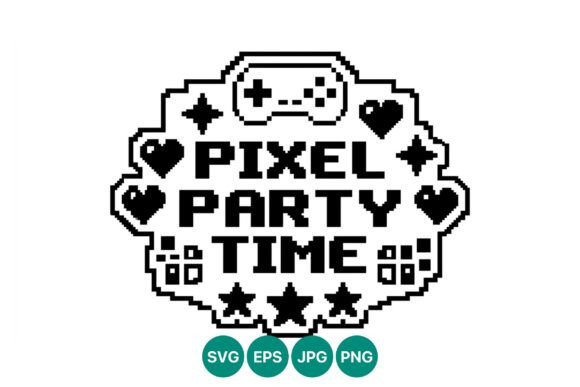
The Green Plastic Glasses in Retro Game Pixe brings a bold and whimsical energy to the table. The glasses are rendered in classic 8-bit style, with angular shapes and minimal detail, which makes them instantly recognizable as part of a vintage video game era. The green color is vibrant yet subtle enough to work across a range of fabric colors and styles. What stands out is the clean lines and structured form—they don’t feel cluttered, which is great news for machine embroidery.
This design has a visual personality that screams fun and retro flair. It doesn’t demand too much attention, but it definitely adds character to whatever surface it’s placed on. For crafters looking to create a handmade product that resonates with a younger demographic or appeals to collectors of gaming memorabilia, this could be a strong contender.
Where This Design Shines in Real Projects
I’ve tested similar designs on a variety of projects, and the Green Plastic Glasses would perform best on items like tote bags, sweatshirts, and pillow covers. These surfaces allow for larger hoop sizes and flatter areas where the design can really pop. The simplicity of the pixelated structure means it won’t lose its identity even after stitching—it remains clear and cohesive.
If you're an Etsy seller or run a craft business, consider using this design for personalized gifts such as baby clothes or holiday-themed apparel. Its cheerful vibe fits perfectly in a nursery decor piece or a festive winter sweater. As a commercial embroidery asset, it could also be used on branded aprons, patches, or promotional items for gaming cafes, retro bars, or boutique stores aiming for a quirky, modern appeal.
What I especially appreciate about this design is how it complements other elements. Think of it as a decorative accent that works well alongside text or more detailed graphics. Whether you’re creating a printable mockup for your online store or designing a digital embroidery file for resale, the Retro Game Pixe style gives a unique edge without being overwhelming.
Design Considerations for Embroidery Use
While the Green Plastic Glasses are visually appealing, there are a few things to keep in mind when applying them in embroidery:
- Small Hoop Sizes: Avoid using this design in tight spaces unless you’re prepared to scale it down significantly. The details might get lost if not handled carefully.
- Textured Fabrics: On materials like denim or canvas, the texture can interfere with stitch clarity. You’ll need to adjust tension or choose a simpler stitch type like running stitch to maintain definition.
- Stretchy or Thin Fabrics: Stretchy materials can distort the shape during stitching. If you must use it on these fabrics, opt for a stabilizer and test on scraps first.
- Dark Fabric Backgrounds: The green plastic tone might blend in slightly on darker bases. Always do a black and white mockup to ensure visibility.
- Curved Surfaces: Placing this design on a cap or curved garment requires careful placement. Otherwise, the pixels may stretch unevenly, reducing the overall quality.
Despite these considerations, the design is versatile enough to adapt with thoughtful adjustments. It's one of those rare illustrations that feels both current and timeless—a true asset for any creative entrepreneur’s design portfolio.
Practical Tips for Embroidery Designers
Here are some quick tips I recommend when working with Green Plastic Glasses in Retro Game Pixe:
- Test on Scrap Fabric: Before committing to a client project or batch production, try stitching the design on a scrap of your intended fabric. This helps catch issues early.
- Check Thread Color Contrast: Green is a good base color, but make sure it stands out against the background fabric. Consider adding a contrasting underlay or changing the thread shade if needed.
- Review Stitch Density: Because of the simple geometry, the design can handle moderate stitch density. However, avoid over-stitching, especially in corners, to preserve the crisp pixel edges.
- Confirm Hoop Size: Ensure your hoop is large enough to accommodate the full design without stretching. If it’s meant for small items like embroidered patches, confirm the final size and scalability.
- Inspect Small Details: Though the design isn't overly intricate, check that all the tiny pixel lines remain visible post-embroidery. Sometimes, digitizing software can simplify too aggressively.
- Use Proper Stabilizer: Especially on delicate or stretchy materials, backing with tear-away or cut-away stabilizer will help maintain the integrity of the stitched image.
- Compare Light and Dark Backgrounds: See how the design looks on both light and dark fabrics. This can influence whether you sell it as a digital embroidery file or use it in custom apparel.
Embroidery Project Fit and Customer Appeal
From a customer perspective, the Green Plastic Glasses evoke a sense of nostalgia while still feeling fresh. They add a touch of humor and individuality, making them ideal for custom apparel or small shop products targeting fans of retro gaming. In terms of product value, they can elevate a basic tote bag or tea towel into something collectible or conversation-worthy.
On handmade products, the design enhances brand consistency by offering a unique motif that sets your items apart from mass-produced alternatives. For holiday gifts, the playful nature of the design increases giftability, especially when paired with personalized names or dates.
Visual Clarity and Professionalism
One of the strengths of this design is its clarity. The structured layout ensures that the finished product maintains a high level of professionalism, even when embroidered on less-than-ideal materials. As long as the stitch types (like satin stitch or fill stitch) are applied thoughtfully, the result should look sharp and intentional.
For apparel decorators, the key is to let the design breathe. Don’t overcrowd the space around it with too many elements. Let the retro pixels speak for themselves. This approach boosts buyer engagement, as customers are drawn to clean, memorable visuals.
Commercial Use and Licensing
If you're planning to use Green Plastic Glasses in Retro Game Pixe for commercial embroidery projects, make sure to verify the licensing information. Since the product description lists formats like EPS, JPG, SVG, and transparent PNG, it's likely suitable for both personal and professional use—but double-check before selling digital embroidery files or finished items.
Also, consider the target audience for your craft fair products or boutique branding. The retro gaming theme may resonate strongly with certain demographics, so positioning the design correctly can boost sales and customer trust in your brand’s authenticity.
Final Thoughts for Creative Makers
In summary, Green Plastic Glasses in Retro Game Pixe is a charming and adaptable illustration that works well in both machine embroidery designs and digital format. It offers a perfect balance between whimsy and professionalism, making it suitable for a wide array of embroidery projects—from casual sweatshirt embroidery to high-end personalized gifts.
However, as with any graphics-based embroidery, it’s essential to understand how it will behave in different environments. Test thoroughly, adjust stitch settings as needed, and ensure the design aligns with your brand and product goals. With the right preparation, this design can become a staple in your collection of illustrations and a hit with customers who love a touch of old-school gaming culture in their everyday items.