Hello Sunshine Retro Lettering Design
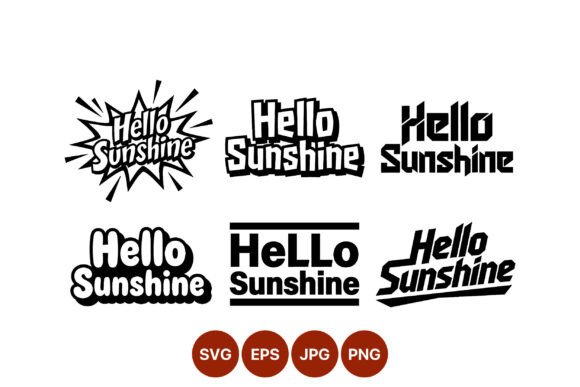
When I am scouting for a new design asset to add to my library, I am rarely looking for just another pretty picture. I am looking for something that translates well from screen to fabric. I need a design that holds its structure under the tension of an embroidery hoop, stands out against varying thread textures, and resonates with customers who are browsing Etsy or walking through a craft fair. Recently, I spent some time evaluating the Hello Sunshine Retro Lettering Design, a set of six black and white vector graphics featuring bold block, script, outlined, underlined, and comic burst styles. My goal was to determine if this collection has the practical utility required for real-world embroidery projects and commercial handmade product lines.
First Impressions: Mood and Visual Personality
The immediate appeal of this Illustrations category entry lies in its versatility. The retro aesthetic is timeless, evoking a sense of warmth and optimism that fits seamlessly into current trends for cozy, nostalgic home goods and apparel. Because the source files are provided as Graphics in vector format, the initial visual personality is crisp and clean. However, as any seasoned designer knows, vector clarity does not automatically guarantee stitching success.
The set includes a variety of typographic treatments. The bold block letters offer a strong, graphic presence, while the script options introduce a softer, more personal touch. The inclusion of comic burst effects adds a playful, dynamic element that can elevate a simple garment into a statement piece. From a design perspective, the black and white presentation allows me to visualize the negative space and line weight without being distracted by color choices. This monochromatic base is crucial for planning thread colors later in the process. It forces me to focus on the shape and flow of the lettering, ensuring that the core design is solid before I commit to a specific palette.
Real-World Application: From Screen to Stitch
To truly judge the value of this machine embroidery design, I simulated how it would perform in actual production scenarios. I started by imagining a custom embroidered tote bag for a local boutique client. The bold block style of the "Hello Sunshine" text would work exceptionally well here. When digitized correctly, the thick lines of the block font provide ample surface area for a dense fill stitch, resulting in a vibrant, tactile finish that catches the light. It creates a high-quality look that justifies a premium price point for a small shop product.
I also considered using the script variant for personalized gifts, such as baby onesies or nursery decor. The flowing nature of the script requires careful attention to digitization to ensure smooth curves and avoid jagged edges. If executed well, this style adds a delicate, artisanal feel to baby embroidery items. Similarly, the comic burst effect could be adapted for youth apparel or fun kitchen towels, adding a pop of energy that appeals to younger demographics or those looking for cheerful holiday gifts.
For Etsy sellers and craft business owners, the variety within this set is a significant advantage. Instead of committing to a single style, having six distinct variations allows for A/B testing in listings. You might find that the outlined version performs better on digital mockups because it shows the underlying fabric texture, while the filled version sells better in person due to its boldness. This flexibility supports a broader range of design assets and helps maintain brand consistency across different product lines, from sweatshirt embroidery to embroidered patches.
Technical Considerations and Potential Pitfalls
While the design concepts are strong, there are several areas where caution is necessary. Not all fabrics are created equal, and the performance of these lettering styles will vary significantly depending on the material. On textured fabrics like heavy canvas or boucle wool, fine details in the outlined or underlined styles may get lost. The thread might not lay flat, causing the design to look muddy or indistinct. In such cases, sticking to the bold block or comic burst styles is advisable, as their larger surface areas are more forgiving.
Stretchy fabrics present another challenge. Without proper stabilization, the tension of the needle pulling the fabric can distort the letterforms, especially in the script sections. It is critical to use the right stabilizer—likely a cut-away for knits—to keep the hoop size area stable during stitching. Additionally, when working with dark fabrics, the contrast between the thread and the background becomes paramount. While the vector art is black and white, the final choice of thread must be tested to ensure legibility. Light threads on dark backgrounds require higher density to prevent the fabric from showing through.
Small hoop sizes also demand scrutiny. If you plan to use the detailed corners or small decorative accents found in some of the retro styles, ensure that the digitized file maintains enough spacing between elements. Crowded designs can lead to thread breaks and difficult trimming. Always inspect the small details in your embroidery software before running the machine. If the resolution is too low at the intended output size, the design may pixelate or stitch poorly.
Practical Designer Notes for Success
- Test on Scrap Fabric: Never assume a design will stitch perfectly on the first try. Run a test on the exact fabric you plan to use to check for puckering, tension issues, and color accuracy.
- Check Stitch Density: Review the digitization to ensure the stitch density is appropriate for the fabric type. Too much density can cause stiffness; too little can result in a flimsy finish.
- Mirror Black and White Mockups: Use the original vector files to create printable mockups. Compare how the design looks on both light and dark backgrounds to gauge its versatility for different custom apparel options.
- Confirm Licensing: Before listing any finished items on Etsy or selling them in a physical store, verify the license terms. Ensure you have the right to sell physical products made from the digital embroidery file. This protects your commercial embroidery business from legal issues.
- Inspect Satin and Fill Stitches: Pay close attention to how the satin stitches border the letters and how the fill stitches cover the interior. Smooth transitions and consistent coverage are key to a professional-looking finished product.
Final Verdict on Value and Appeal
The Hello Sunshine Retro Lettering Design offers a compelling mix of aesthetic charm and functional variety. Its retro vibe taps into a popular emotional response, making it highly suitable for personalized gift markets and seasonal collections. The ability to choose between bold, script, and burst styles means it can adapt to various brand identities, from minimalist boutiques to colorful, playful shops.
However, its success depends entirely on execution. As a designer, I appreciate the clean vector source, but I recognize that the true value is realized only after careful digitization and stitching. For creative entrepreneurs and makers willing to invest time in testing and quality control, this design set is a valuable addition. It provides the foundation for creating high-engagement products that stand out in a crowded marketplace. Whether used for holiday embroidery campaigns, wedding gifts, or everyday apparel decorators needs, this collection delivers on its promise of sunny, stylish design potential.
In conclusion, if you are looking to expand your catalog with versatile, mood-lifting typography that works well across multiple product categories, this set is worth considering. Just remember to prioritize technical precision over speed, and always let the fabric guide your final design choices. The result will be a professional, trustworthy, and visually appealing embroidery project that customers will love.