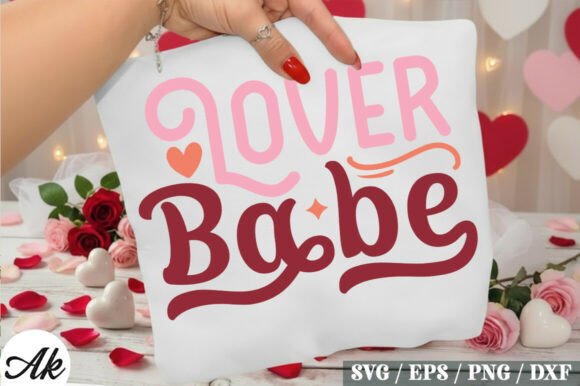
Lover Babe Retro Design Review
As a designer who spends half my life staring at stitch maps and the other half debating thread colors with clients, I don’t just look at a design file; I look at how it will behave under the needle. When Lover Babe Retro Design landed on my desk, my first instinct wasn’t to immediately add it to my commercial catalog, but to ask: does this actually work in a real hoop? Does it hold up when stitched onto cotton twill versus a silky blend? After running through some mental simulations and looking closely at the vector structure provided in the SVG file, here is my practical breakdown of what this design brings to the table for your craft business or personal projects.
The First Impression: Mood and Visual Personality
The moment you open the file, the retro aesthetic hits you hard. This isn’t a subtle, minimalist line art piece; it’s bold, nostalgic, and packed with character. The "Lover Babe" theme suggests a vibe that is both affectionate and slightly edgy, drawing heavily from vintage graphic styles. For an embroidery project, this translates to high visual impact. It doesn’t rely on tiny, fragile details that might get lost in the stitching process. Instead, it uses strong shapes and clear lines that read well even from a distance.
This kind of design assets package is perfect for creators who want their finished product to have immediate recognition. Whether you are making a custom apparel item like a t-shirt or a more delicate accessory like a tote bag design, the retro mood sets a specific tone. It feels approachable yet stylish, which is exactly what modern consumers are looking for in handmade goods. It avoids being overly sweet or generic, giving your brand a distinct personality right out of the gate.
Real-World Application: Where It Shines
Let’s talk about where this embroidery project truly earns its keep. I imagine this design thriving on medium-to-large surface areas where the details can breathe. A classic application would be a chest-sized placement on a heavyweight hoodie or a large back print on a vintage-wash t-shirt. The retro style pairs exceptionally well with those fabric textures, enhancing the worn-in, authentic feel of the garment.
However, it’s not limited to clothing. Think about personalized gift items. A sturdy canvas tote bag is a natural home for this graphic. The contrast between the rough texture of the canvas and the smooth threads of the machine embroidery creates a tactile appeal that customers love. Similarly, consider using it for sweatshirt embroidery focused on nursery decor or baby clothes. While the name might sound mature, the retro cartoonish style often works beautifully for gender-neutral baby gifts, especially when paired with soft pastel thread colors.
For the Etsy seller or small shop owner, this design offers versatility. It fits seamlessly into categories like holiday embroidery (think Valentine’s Day or anniversaries) or as a statement piece for craft fair products. Because it comes as an SVG, you also have the flexibility to use it for cut-and-print applications if you are offering hybrid products, such as a printed shirt with an embroidered patch detail. This dual-use capability adds value to your listings and appeals to a broader audience.
Technical Considerations and Stitch Behavior
Here is where the rubber meets the road. As a reviewer, I have to point out that while the visual appeal is high, the technical execution depends entirely on how you prepare the embroidery file. The retro style often involves solid blocks of color or thick outlines. This means you need to pay close attention to stitch density.
If the design includes large filled areas, ensure your digitizer has used appropriate fill stitches to prevent puckering. On thin fabrics or stretchy materials, excessive density can distort the garment. I strongly advise testing this design on scrap fabric first, specifically checking how the satins stitch edges hold up against fraying. If the design features intricate curves or small lettering, inspect those corners closely. Tiny details in retro fonts can sometimes merge together during stitching if the resolution isn't high enough or if the thread tension is off.
Another critical factor is thread colors. The retro palette likely relies on specific contrasts. If you are stitching this on dark fabric, you’ll need underlay stitches or a lighter base thread to make the colors pop. Conversely, on light backgrounds, ensure the thread choice complements the vintage vibe without washing out. Always test in black and white mockups to verify that the shape remains distinct regardless of color variation.
Where to Use With Caution
Not every surface is created equal. I would advise against using this design on highly textured fabrics like heavy bouclé or very thin, slippery silks, as the stitch definition may suffer. Curved surfaces, such as the front panel of a baseball cap, require careful hooping and possibly a curved-hoop adapter to maintain the integrity of the retro lines. Avoid placing this on products that require frequent, aggressive washing unless you are confident in the stability of the stabilizer used. A poorly stabilized design will look professional at first but degrade quickly, hurting your brand reputation.
Impact on Product Value and Customer Trust
In the world of commercial embroidery, presentation is everything. A well-executed Lover Babe Retro Design signals professionalism. It shows that you care about quality and aesthetics. When a customer sees a crisp, clean retro graphic on a high-quality item, they perceive higher value. This is crucial for Etsy sellers and digital product sellers alike. Even if you are selling the digital file itself, providing clear, realistic mockups that show how the design interacts with different fabrics builds trust.
This design also enhances brand consistency. If your shop focuses on vintage-inspired, handcrafted goods, adding this to your collection reinforces your niche. It helps with buyer engagement because the style is instantly recognizable. People buy into aesthetics as much as utility. By offering a design that evokes nostalgia and warmth, you are tapping into emotional drivers that convert browsers into buyers.
Final Practical Notes for Makers
Before you start producing, remember a few key steps:
- Check Licensing: Confirm whether the SVG file allows for commercial use of the finished physical product. This varies by creator, so do not assume.
- Stabilizer Selection: Match your stabilizer to your fabric weight. Heavy stabilizers for tees, tear-away for stable wovens.
- Mockup Testing: Create printable mockups to show potential buyers how the design looks on various items before you commit to mass production.
- Detail Inspection: Zoom in on the SVG. Are there any overlapping paths that might cause confusion in the stitch plan?
Ultimately, Lover Babe Retro Design is a strong contender for anyone looking to add a touch of vintage charm to their inventory. It balances visual flair with practical usability, making it suitable for everything from embroidered patches to full-front sweatshirt graphics. Just remember: the best designs are the ones that are tested, trusted, and tailored to your specific customer’s needs. Treat it with the respect a good digitizer deserves, and it will serve your craft business well.